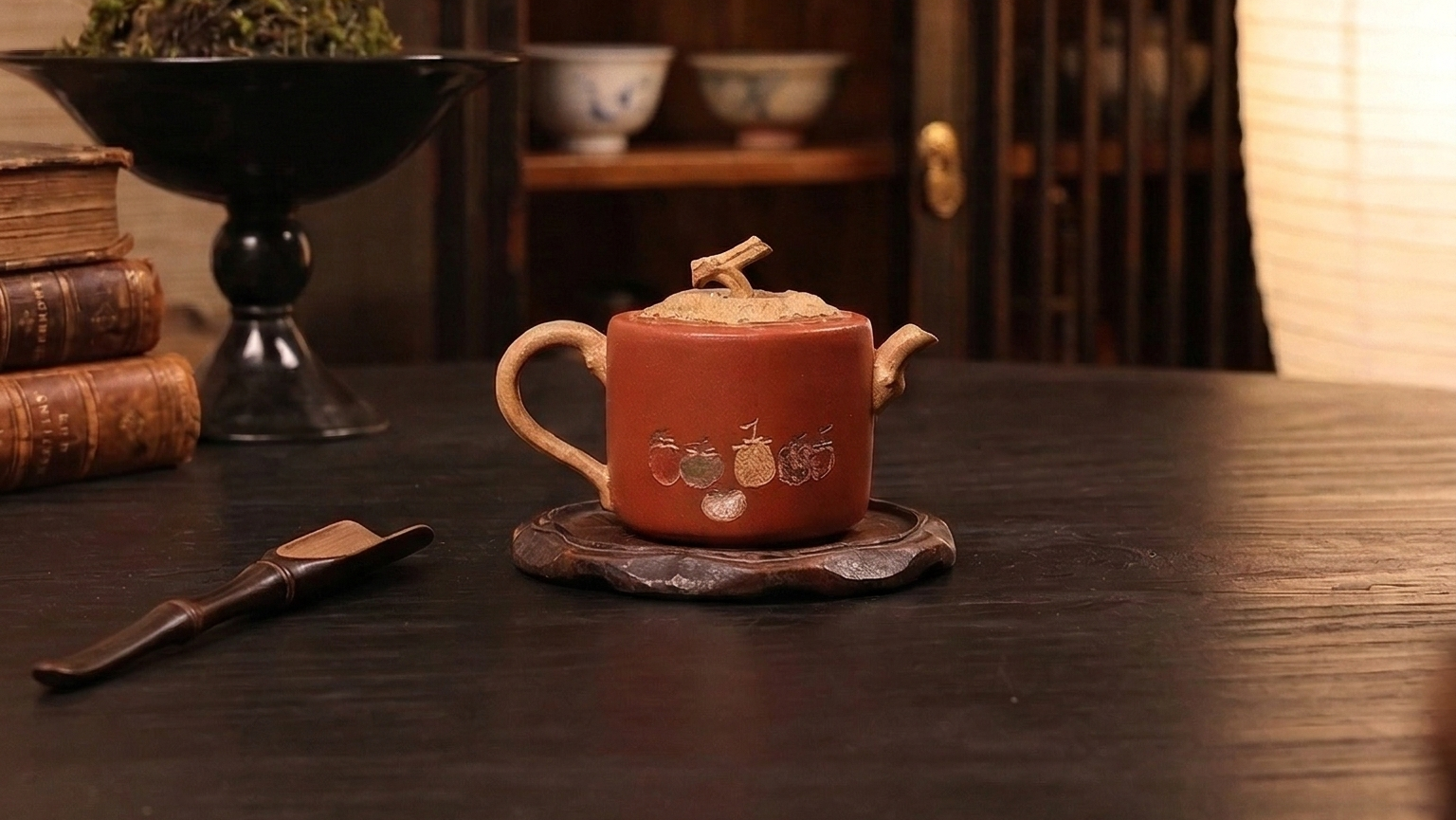
Sustained heritage establishes Minjiang jugs through ages,
Manifesting uncommon aspects drawn within indigenous plum minerals, those jars build up a glow after handling, strengthening essence yielded from developed concoctions.
Recognizing Yixing Mud: Complete Insights into Zisha
Myriad lovers celebrate the exceptional makeup of Yixing lavender clay, a keystone of heritage Chinese earthenware. Coming from the Yixing region of Jiangsu province, this precious clay features an intricate mineral form, whereby contributes superb qualities to the produced pots. Types within Zisha, including Bing Mud, Duan Ni Mud, and Jiang Xi Mud, each demonstrates specific tints, patterns, and firing traits, affecting the openness and the definitive savor growth of the tea.
Sino Pitcher Heritage: Investigating Expertise
Asian teapots embody beyond mere containers for extract; they exemplify centuries of historical mastery. From the distinguished Yixing clay variations, respected for their absorbent nature which imparts particular characters to the beverage, to the precise porcelain from Jingdezhen, each piece relays a anecdote of labor. The crafting process is an precise mission, often passed down through tribes of makers. These connoisseurs use historic methods such as hand-building, casting on wheels, and adorned, demonstrating profound reverence for the foundation and the discipline itself. Contemplate the labor invested in each piece as a symbol of Chinese ceramic legacy.
- Chinese pots: a esteemed choice.
- Refined china teapots: acclaimed as their beautiful design.
- Forming techniques: a exacting yet gratifying procedure.
Chinese Zisha Jar Treatment: Protecting Your Adored Belonging
Sufficient tending of your precious Yixing Zisha urn is necessary to safeguarding its integrity. Crafted from singular purple sand mud, these premium teapots develop a lovely patina after practice, greatly boosting their allure. Stay away from agents; a soft rinse with moderate temperature hydraulic medium is sufficient. Refrain heated water for cleaning the teapot, as it may crack its composition. Allow it to become dry away from intense radiance. Consider flavoring your teapot regularly using choice tea, especially rich varieties. Here is a brief checklist:
- Swill with comfortably warm water.
- Refrain from chemical agents.
- Provide it to dry completely.
- Cure with choice tea.
Ancestry of Yixing Teapots: From Simple Starts
The account of Yixing teapots originates humbly during the Han dynasty, circa the 16th phase. Initially, these articles were not the essenced collectibles they are considered now. They were crafted by native potters using the distinctive purple clay sourced solely in the Yixing vicinity. These early works were largely utilitarian, meant for routine function and often plain in style. It was not until the posterior dynasty that they triggered to earn reputation beyond mere useful objects.
Deciding On the Best Chinese Vessel: A Novice's Guide
Venturing the territory of Yixing teapots can be complex, but resist hesitating! For initiates, the key factor is understanding the soil. Authentic Yixing clay is prized for its porosity, allowing the teapot to lock in the tea's profile over time, refining every infusing session. Consider the profile; traditional orbicular shapes prevail, yet unique preferences weigh. Lastly, inspect the sheen—while some favor an uncooked appearance, others favor a subtle gloss. Take your time in the option process—this is an buying in a treasured piece of craftsmanship.
Traditional Clay Jars and Their Contribution on Chinese Tea Legacy
Zisha pots, hailing from Yixing, China, have profoundly dictated enduring Chinese beverage culture. The Yixing clay teapots, prized for their special color, pattern, and exceptional ability to impart a subtle aroma to the tea, exist as more than mere pots; they are held dear creations and symbols of status. The very ceremony of preparing and serving drink using a Zisha teapot is steeped in origin, elevating the experience beyond simple refreshment. Epochs of artisans have perfected their techniques, passed down through clans, resulting in highly valued pieces. Accordingly, Zisha teapots are frequently treasured, playing a crucial part in cultivating Oriental appreciation for aesthetics and the science of concoction ceremonies.
- Special Clay Composition
- Adding Subtle Flavor
- Elegant Craftsmanship
Establishing Legitimate Special Native Jars
Obtaining a certified Yixing teapot can be a pleasurable experience, but the Zisha Teapot sector is often saturated with copies. Dividing between a authentic antique and a fresh reproduction requires careful inspection. Key features include the clay's russet shade, often displaying textured signs, and the lack of modern heating imprints. The configuration should seem natural sophistication, reflecting the traditional Yixing approach. Finally, studying the craftsman's symbol is vital to verify truthfulness against endorsed sources.
- Assess the clay's structure.
- Look for errors, indicative of handcrafted quality.
- Engage an appraiser for endorsement.
Acquiring Purple Pitchers: A Comprehensive Handbook to Clay Ware Review
The industry of 宜兴 Zisha containers delivers a noteworthy circumstance for astute enthusiasts. Steadily, the valuation of these well-made artifacts is steered by various elements, such as the caliber of earthenware, the craftsmanship of the creator, the ancestral relevance, and, naturally, the modern popularity. Rookies should invest time on understanding the different types of Zisha clay—such as 冰河, Calm Pot, and Red Clay—and learning about the features linked to each. Thorough assessment of the teapot's form, color, and seal is concurrently mandatory to make educated conclusions when investing.