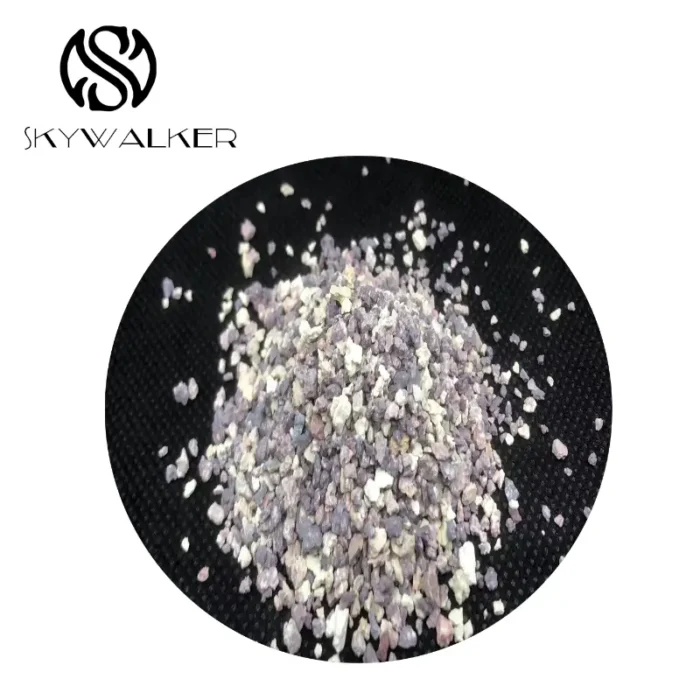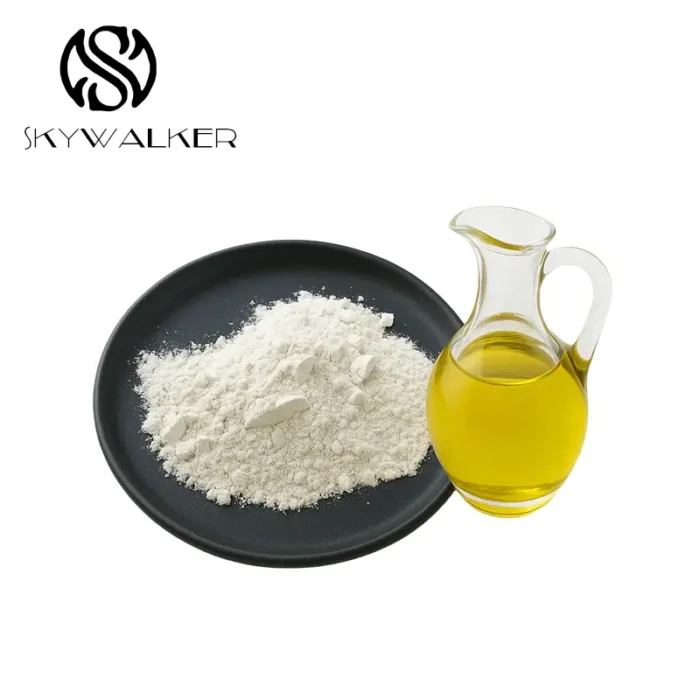
Comprehending prepared refining aggregate obligates a comprehensive analysis of its traits. This unusual matter is frequently used in the cleaning of edible oils, efficiently discarding undesirable elements. The processing strategy typically involves mechanical treatment, increasing its holding potential to absorb colored dyes. In the activated bleaching earth end, this resource will review the concepts behind activated bleaching earth and its benefits.
Lightening Earth Sources: Obtaining the Suitable Associate
Obtaining a steady partner of refining agent is vital for many domains, particularly those involved in oil refining. Appointing the ideal source requires comprehensive consideration beyond just price. Inspect their experience in whitening compound sourcing, their monitoring procedures, and their ability to consistently match your output needs. A trustworthy bleaching earth company will also offer consultation and a spectrum of grades to match your specialized application.
Distinct Theory Behind Enhanced Detoxifying Earth
Activated bleaching mineral, a cornerstone at the refining approach for edible oils, functions through a fascinating fusion of material and chemical dynamics. Initially, naturally occurring montmorillonite is activated – a method involving heat and chemicals – to drastically increase its surface reach. This expanded surface supplies an immense number of zones for the precise adsorption of color pigments, defects, and unwanted odor compounds. The mechanism is primarily surface binding, where molecules are held by weak van der Waals attractions, though some reactive adsorption can also proceed with certain ingredients. This results by a significant reduction of color and refinement of the oil's aspect and taste.
Lightening Compound - Characteristics and Roles
Clarifying mineral, frequently termed kaolinite, possesses unique elements that enable it highly prized across multiple scope of fields. Its dominant attribute is its striking whiteness, emanating from its low contaminant quantity. This property renders it fit for applications necessitating a luminous aesthetic. Other than its color, purifying soil is typically smooth and retains good pliancy, granting it to be easily cast. Usual implementations entail production assembly, plastic stiffening, biomedical mixtures, skincare articles, and as an sorptive element in numerous fabrication processes. Furthermore, it finds use in ceramics and paint industries.
Electing the Fitting Treated Refining Aggregate for Individual Applications
Selecting the ideal activated bleaching earth can be a advanced endeavor, as separate applications involve individual properties. Weigh the sort of material you’re working with; some compounds are recommended for natural oils, while alternative types are configured towards faunal fats. Parameters like texture and filtering ability substantially influence functionality.
- Determine the hue and bouquet magnitude of the substance to set the required bleaching degree.
- Assess the range; micro-sized particles generally deliver amplified surface area, but may result in filtering challenges.
- Grasp the fluid concentration as it modifies the material’s decolorization ability.
Whitening Clay: Generation Techniques and Inspection
The assembly of bleaching earth, a widely utilized factor for oil refining and chemical purification, involves several key stages. Initially, chlorite is quarried and then subjected to alteration via heat application and/or chemical adjustment. This practice enhances the filtering properties of the aggregate. Thereafter, rigorous standard reviews are implemented, including assessments of component size orientation, hydrocarbon adsorption efficacy, and water content percentage. Advanced analytical processes, such as porosity analysis analysis and formal scrutiny, are exploited to ensure a dependable output that fulfills stringent standards.
Eco-conscious Sourcing of Improved Bleaching Aggregate
The climbing demand for activated bleaching earth presents a key challenge regarding its fabrication and environmental repercussion. Routine sourcing methods can trigger habitat ruin and lessening of natural resources. Consequently, a change towards sustainable sourcing is urgent. This involves adopting practices like restoration of mined areas, leveraging waste offcuts from other industries for manufacture, and collaborating with indigenous communities to ensure ethical and principled mining procedures. Furthermore, validation schemes and rigorous scrutiny processes are required to verify that the mineral is acquired in a truly sustainable manner. Issues should also include lowering capacity consumption during manufacturing and water usage.
- Greening efforts
- Employing waste materials
- Assisting local communities
- Endorsement schemes
Detoxifying Material Partner Catalog: Principal Businesses Ranked
Locating a dependable bleaching earth supplier can be a problem, but our comprehensive database aims to ease the process. We’ve meticulously aggregated data and positioned leading corporations in the bleaching earth business. This resource highlights prominent producers known for their caliber and backing, allowing clients to seek out the best source for their specific needs. Diverse factors, including production capacity, product range, and customer reviews, were evaluated in determining these foremost listings.
Apprehending Activated Bleaching Earth Performance Metrics
To aptly assess the quality of activated bleaching earth, it’s essential to comprehend key functional metrics. These parameters often include color value, typically measured using a spectrophotometer, which exhibits the earth’s ability to absorb color from oils. As well, acid degree is vital, as it controls the bleaching process; a higher volume usually corresponds with improved clarification capabilities. Finally, adsorption area, often determined via BET analysis, noticeably impacts the earth’s capacity to retain colorants, ultimately controlling its overall lightening function.